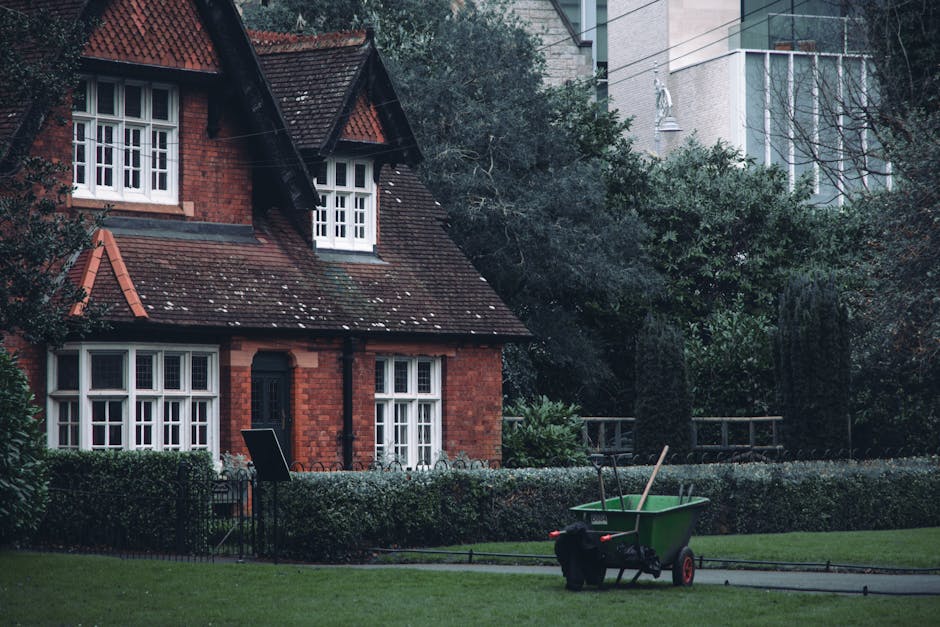
Best gardeners in Hatch End HA5 for small front gardens
If your front garden in Hatch End feels too small to do much with, you are not alone. A narrow strip by the pavement, a shady wall, a slightly awkward path, and suddenly the space looks more like a pass-through than a welcome. The good news? The Best gardeners in Hatch End HA5 for small front gardens know how to turn tight spaces into neat, useful, attractive entrances without overcomplicating things.
For a small front garden, the right gardener does more than cut back plants. They help you choose the right shape, the right planting, and the right level of maintenance for a space that has to work hard all year round. This guide explains what to look for, how the process works, where homeowners often go wrong, and how to make a sensible decision if you want a front garden that looks cared for rather than crowded. Truth be told, small gardens can be the most satisfying ones to get right.
Table of Contents
- Why Best gardeners in Hatch End HA5 for small front gardens Matters
- How Best gardeners in Hatch End HA5 for small front gardens Works
- Key Benefits and Practical Advantages
- Who This Is For and When It Makes Sense
- Step-by-Step Guidance
- Expert Tips for Better Results
- Common Mistakes to Avoid
- Tools, Resources and Recommendations
- Law, Compliance, Standards, or Best Practice
- Options, Methods, or Comparison Table
- Case Study or Real-World Example
- Practical Checklist
- Conclusion
- Frequently Asked Questions
Why Best gardeners in Hatch End HA5 for small front gardens Matters
A small front garden is not a bonus space you can ignore. It is the first thing people see when they approach your home, and that first impression matters more than many people realise. In Hatch End HA5, where homes often mix older character properties with practical suburban layouts, front gardens tend to need a balance of structure, restraint, and year-round neatness.
The best gardeners understand that a small frontage has limited room for error. A plant that grows too large can swallow the path. A hedge that is slightly too deep can make the entrance feel cramped. A planting scheme with too many colours can look busy instead of welcoming. You need judgement, not just labour.
That is why choosing carefully matters. The right gardener will look at sunlight, soil, drainage, access, visibility from the street, and how much time you realistically want to spend maintaining the space. They will also consider the practical side: bins, foot access, window lines, and whether the garden needs a clean, classic look or something softer and more planted.
Expert summary: For small front gardens, the best results usually come from simple structure, restrained planting, tidy edges, and a maintenance plan that matches real life rather than ideal life.
If you want a sense of the broader range of work a local team may offer, it can help to review the services overview before you decide what kind of help you need.
How Best gardeners in Hatch End HA5 for small front gardens Works
In practice, this kind of gardening service usually starts with a short assessment of the space. A good gardener will want to know how you use the frontage, whether you want low maintenance or more seasonal interest, and what is already working. They may also notice problems you have become used to seeing, like a patchy lawn edge, a leaning shrub, or a border that has been slowly shrinking for years. Happens all the time.
From there, the work often falls into one or more of these areas:
- Pruning and shaping to open up the entrance and keep plants proportionate.
- Border redesign for cleaner lines and better use of the small footprint.
- Plant selection that suits shade, sun, and limited root space.
- Edge definition using gravel, brick, paving, or neat cut lines.
- Seasonal upkeep so the garden does not drift into untidiness.
For smaller spaces, the work is often more about editing than adding. A lot of front gardens improve simply because someone with experience removes the clutter, trims the overgrowth, and restores balance. You would be surprised how much difference that makes by about 10 a.m. on a grey weekday morning when the whole street is already awake.
If you are comparing options, it is sensible to look at pricing and quotes early on. That gives you a better feel for whether you are booking a one-off tidy-up, a redesign, or an ongoing maintenance visit.
Key Benefits and Practical Advantages
The best gardeners in Hatch End for small front gardens are not just making things look tidy for a day or two. They are solving practical problems that affect how the home feels and functions.
1. Better kerb appeal without overdoing it. A small front garden can look elegant when it is edited well. It does not need lots of plants. It needs the right plants in the right place.
2. Easier maintenance. The right layout saves time every week. That matters if you do not want to spend half your Saturday trimming, sweeping, and second-guessing yourself.
3. Better use of limited space. In a tiny frontage, even a few centimetres matter. Good gardeners know how to create the sense of space using height, repetition, and clean lines.
4. Safer access. Front paths, steps, and entrance routes should stay clear. This is especially important where the garden meets the pavement or where winter damp can make surfaces slippery.
5. A more welcoming home. A tidy front garden quietly changes the tone of the whole property. It says the home is cared for. Nothing flashy. Just calm, ordered, and pleasant.
6. Better long-term plant health. Plants in small beds can become stressed if they are overcrowded or mismatched. A good gardener will avoid those headaches before they start.
Many homeowners also appreciate the sustainability side. Choosing resilient planting, sensible soil improvement, and thoughtful waste handling can make the space easier to maintain over time. If that matters to you, the recycling and sustainability information is worth a look.
Who This Is For and When It Makes Sense
This service makes sense for a wide range of people, but especially if you recognise any of the following situations:
- Your front garden has become overgrown and feels smaller than it should.
- You want a smarter entrance without committing to a full landscaping project.
- You are preparing a property for sale or rental and want the frontage to look presentable.
- You have limited time and need a low-maintenance solution that still looks good.
- You are struggling with awkward shade, poor drainage, or tired planting.
- You want the garden to suit a newer, cleaner look rather than a dense, cottage-style border.
It is also a good fit if you simply know the space could be better, but you are not sure how. That is a very normal reason to call a gardener, by the way. You do not need a grand vision. Sometimes you just need a second pair of experienced eyes.
If you are still weighing up whether to proceed, the company's about us page can help you understand the approach and values behind the service. That matters more than people think.
Step-by-Step Guidance
Here is a sensible way to approach a small front garden project in Hatch End HA5.
- Walk the space slowly. Look at what blocks the view, what catches the eye first, and what feels awkward when you actually use the path.
- Decide the priority. Do you want tidier maintenance, more structure, more colour, or a complete refresh? Pick one main goal. Two at most.
- Measure the practical constraints. Note path width, step access, bin placement, and any areas that need to stay clear for opening doors or windows.
- Check the growing conditions. Sun, shade, wind exposure, and soil type all affect what works. Small gardens punish guesswork.
- Request a quote and scope. Ask what is included, whether waste removal is covered, and whether the work is one-off or ongoing.
- Agree on a realistic design. A neat front garden often needs fewer plants than people expect. Resist the urge to fill every gap.
- Plan aftercare. Even a smart redesign needs basic upkeep. A small monthly visit may be enough, or a seasonal tidy if the planting is low maintenance.
One small but important point: ask how the gardener handles removal of clippings and green waste. It sounds minor. It is not. A front garden can look excellent, then lose the plot quickly if the waste sits around for days.
When you are ready to move from planning to action, the contact page is the obvious next step.
Expert Tips for Better Results
Here is where experience really shows.
Keep the palette simple. In small front gardens, repetition usually beats variety. Two or three plant types repeated neatly will often look better than a dozen different shapes fighting for attention.
Use height carefully. A little vertical interest can help, especially close to a wall or fence. But tall planting near a narrow path can make everything feel boxed in. There is a line. Cross it and the garden starts to feel like a corridor.
Think in layers. A strong small garden often has a low edge, a mid-height structure, and one or two focal points. That might be a clipped shrub, a pot, or a neatly trained plant. Simple, but effective.
Choose plants that forgive busy weeks. If you do not want constant fuss, avoid species that demand frequent pruning or regular deadheading. Be honest with yourself here.
Protect the entrance. Leave enough room for bins, bikes, prams, or just opening the front door without brushing past branches. It sounds obvious. Yet this is one of the most common planning misses.
Ask for maintenance logic, not just a one-off clean-up. A good gardener will explain how the space should be kept after the job is done, in plain language. If they cannot, that is worth noticing.
If you want confidence about standards and how a reputable service handles work safely, have a look at the health and safety policy and insurance and safety information. Those pages are a useful trust signal when you are choosing who to let onto your property.
Common Mistakes to Avoid
Small front gardens make mistakes very visible. There is nowhere to hide, which is a blessing and a curse.
- Overplanting. Too many plants make a compact space feel busy and cramped.
- Ignoring growth rates. A shrub that looks fine in April can become a giant by August.
- Skipping the edges. Untidy borders and soft, ragged edges make even good planting look unfinished.
- Choosing plants for looks alone. If they do not suit the conditions, you will end up replacing them.
- Forgetting drainage. A front garden that stays soggy can damage roots and create muddy paths.
- Trying to do everything at once. Sometimes the best result comes from three focused improvements, not ten half-finished ones.
A common one is this: people buy plants because they looked lovely at the garden centre in that moment. Then they get them home and realise, oh, they need more sun than the frontage gets. Easy mistake. Very common.
If you want to avoid misunderstandings about scope, timing, and service expectations, it is wise to read the terms and conditions before booking.
Tools, Resources and Recommendations
You do not need a warehouse of kit for a small front garden, but the right tools make a real difference. A good gardener will usually work with a concise set of reliable tools rather than a van full of unnecessary gear.
- Secateurs and pruning tools for shaping shrubs cleanly.
- Shears for neat edges and formal shaping where needed.
- Lightweight spades and hand tools for tight borders and planting pockets.
- Rake and broom to keep paths and paving clear.
- Waste bags or bins for orderly removal of cuttings.
- Simple measuring tools for checking spacing and avoiding overcrowding.
For homeowners, the most useful resources are actually the practical pages that explain how a company works: service scope, pricing, safety, and payment. Those may not sound glamorous, but they save time and reduce friction. The payment and security page is useful if you want clarity on how transactions are handled, while pricing and quotes helps you understand what to expect before work begins.
It can also help to know how a company handles feedback if something is not quite right. Nobody likes the idea of that, naturally, but it is reassuring to know there is a proper route via the complaints procedure if needed.
Law, Compliance, Standards, or Best Practice
For small front gardens, the main compliance issues are usually practical rather than complicated. That said, good gardeners should still work responsibly.
In the UK, anyone working on your property should take sensible care around tools, waste removal, access routes, and potential trip hazards. If work involves ladders, power tools, or heavier lifting, you want a team that follows proper safety habits and can explain them clearly. You do not need a lecture, just competence.
Local best practice also matters. Front gardens in residential streets should be managed with attention to neighbours, pedestrians, and visibility. Overhanging plants should not obstruct paths or sightlines. Waste should be cleared in a timely way. And if your frontage borders the pavement, keeping it tidy is not just nice; it avoids awkwardness with passers-by. No one wants to be the house with the thorns leaning into the footpath.
From a business-trust point of view, look for clear information on insurance, privacy, accessibility, and fair handling of customer data. The pages on privacy policy, accessibility statement, and modern slavery statement are all signs of a company taking its responsibilities seriously.
Options, Methods, or Comparison Table
If you are deciding how to improve a small front garden, the best approach depends on your goals, budget, and how much ongoing care you want to take on. Here is a simple comparison.
| Approach | Best for | Typical strengths | Things to watch |
|---|---|---|---|
| One-off tidy and reshape | Overgrown or neglected front gardens | Fast improvement, low commitment, immediate neatness | May not solve underlying layout problems |
| Light redesign with planting refresh | Gardens that look tired but are basically workable | Better structure, improved visual balance, more usable space | Needs sensible plant choices and aftercare |
| Low-maintenance layout | Busy households or landlords | Less upkeep, cleaner appearance, easier seasonal care | Can feel sparse if over-simplified |
| Regular maintenance visits | Homes that want a consistently neat frontage | Reliable presentation, fewer problems building up | Requires ongoing budget and scheduling |
In most small front gardens, a blend of tidy-up plus light redesign is the sweet spot. It gives immediate improvement without turning the space into a long project. Nice and sane, which is refreshing.
Case Study or Real-World Example
Imagine a compact Hatch End front garden with a narrow path, a small lawn that has thinned out, and two shrubs that have grown larger than expected. The space is not broken. It is just a bit tired. The owner wants it to feel welcoming again but does not want a high-maintenance scheme.
A sensible gardener might start by cutting the shrubs back into proportion, removing anything dead or crowded, and lifting the overall shape so the entrance feels open again. The lawn edge could be sharpened, or even replaced with a border or gravel finish if mowing the area has become more effort than it is worth. Then the gardener may suggest a handful of resilient plants with staggered height, perhaps alongside a simple feature pot near the door.
The result is not dramatic in a showy sense. It is better than that. The house looks cared for. The path feels wider. The whole frontage reads more clearly from the pavement. And the owner is left with a space they can actually maintain. That is the sort of improvement people notice every day, especially when they come home in the evening and the light is fading and everything still looks tidy.
If the homeowner wanted a deeper service description or ongoing support, they could explore the services overview and then decide whether to proceed via the contact page.
Practical Checklist
Use this quick checklist before you book a gardener for a small front garden in Hatch End HA5:
- Have you identified the main goal: tidy-up, redesign, low maintenance, or all three?
- Do you know how much sun or shade the garden gets?
- Are paths, steps, and door access clear enough to measure properly?
- Have you considered whether you want plants, hard landscaping, or both?
- Do you need waste removal included?
- Have you checked the quote, scope, and likely follow-up maintenance?
- Are insurance, safety, and business policies easy to find?
- Have you thought about how the garden should look in winter, not just summer?
- Do you want a one-off result or regular upkeep?
- Have you chosen a gardener who understands small-space design rather than only general garden work?
Helpful reminder: a small garden should feel calm to look at and easy to live with. If the plan makes your life more complicated, it is probably the wrong plan.
Conclusion
The best gardeners in Hatch End HA5 for small front gardens are the ones who understand restraint, proportion, and practical maintenance. They know how to make a compact frontage feel neat, welcoming, and genuinely manageable. That is the real win. Not excess, not fuss, just a garden that quietly does its job well.
Whether your front garden needs a quick rescue or a more thoughtful refresh, the smartest approach is to start with the space you actually have, not the one you wish you had. Keep the design simple, choose a gardener who listens, and aim for something you can maintain without dread. Small spaces reward good judgement. Every time.
Get a free quote today and see how much you can save.
For a clear next step, take a look at the company information on about us, then use the contact page when you are ready. A well-tended front garden has a quiet kind of charm, and frankly, that never really goes out of style.
Frequently Asked Questions
What makes a gardener right for a small front garden?
The right gardener understands scale, proportion, and maintenance. They should know how to make a small space feel open and tidy without filling it with plants that will outgrow the area within months.
How often should a small front garden in Hatch End be maintained?
It depends on the planting and layout. Some homes only need seasonal tidy-ups, while others benefit from monthly or fortnightly attention during the growing season. If the garden looks neat for a while and then quickly slips, more regular visits may be worth it.
Is a small front garden worth redesigning?
Usually, yes. Even a modest redesign can improve kerb appeal, make upkeep easier, and create a more welcoming entrance. Small gardens often give a strong return in appearance for relatively focused work.
What should I ask for in a quote?
Ask what is included, whether waste removal is covered, how long the work is likely to take, and whether the price includes follow-up advice or maintenance. A clear quote is better than a vague one, every time.
Can a gardener help if my front garden is very overgrown?
Yes. In fact, overgrown front gardens are often the easiest to improve quickly because there is usually a lot of hidden potential once the excess growth is removed and the shape is restored.
What plants work best in a small front garden?
It depends on light and soil, but the safest choices are usually compact, resilient plants that stay within bounds. A good gardener will choose varieties that suit your conditions rather than just the nicest-looking options on the day.
Do I need hard landscaping as well as planting?
Not always. Some small front gardens improve dramatically with pruning, edging, and planting alone. Hard landscaping helps if paths are worn, borders are unclear, or the space needs stronger structure.
How do I keep a small front garden looking neat all year?
Keep the design simple, choose plants that do not need constant fuss, and set a realistic maintenance routine. A small monthly tidy can be enough if the layout is sensible to begin with.
Should I choose a low-maintenance design?
If you have limited time, yes, that is often the smartest move. Low-maintenance does not have to mean dull; it just means choosing planting and surfaces that do not demand constant intervention.
How can I tell if a gardener is trustworthy?
Look for clear communication, transparent pricing, sensible safety information, and proper business policies. Pages such as insurance and safety and health and safety policy are helpful signals.
What if I am not sure what style I want?
That is perfectly normal. Start with the practical goal first, such as tidiness or easier upkeep, and let the style follow. A good gardener can guide you toward a look that suits the property without forcing a trend onto it.
Where can I find more details before booking?
Start with the services overview, then review pricing and quotes and the contact page. That usually gives you enough information to decide your next move with confidence.