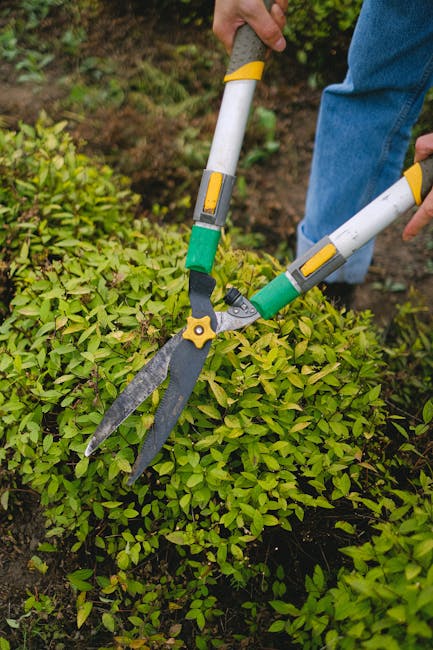
Common access problems for Hatch End gardeners and job solutions
If you have ever watched a gardener try to squeeze a wheelbarrow through a narrow side passage, you already know the issue. In Hatch End, access problems can turn a straightforward garden job into a careful bit of planning. Tight entrances, shared driveways, steps, overgrown hedges, awkward parking, and poor storage access all change how work is carried out. The good news is that most of these problems are manageable once they are identified early and matched with the right job solution.
This guide breaks down the most common access headaches Hatch End gardeners face, why they matter, and what practical solutions actually work on the ground. Whether you are arranging routine upkeep, a larger clearance, or a landscaping project, a little access planning can save time, reduce stress, and make the whole job run more smoothly.
Table of Contents
- Why access problems matter
- How the access planning process works
- Key benefits and practical advantages
- Who needs this and when it makes sense
- Step-by-step guidance
- Expert tips for better results
- Common mistakes to avoid
- Tools, resources and recommendations
- Law, compliance and best practice
- Options, methods, and comparison table
- Case study or real-world example
- Practical checklist
- Conclusion
- Frequently asked questions
Why Common access problems for Hatch End gardeners and job solutions Matters
Access sounds like a small detail until it is the thing that slows everything down. In real garden work, it affects labour time, equipment choice, waste handling, safety, and even whether a job can be done efficiently at all. A lawn cut is one thing. A full hedge trim, garden clearance, or tree work with tight access is another story entirely.
In Hatch End, many homes have the familiar mix of front gardens, side passages, terraced layouts, shared boundaries, or rear gardens that are not exactly designed for easy movement. Add in mature planting, bins, bikes, paving, low gates, and the occasional slippery patch of moss after a damp morning, and the access route starts to matter a lot. To be fair, most homeowners do not think about this until the team arrives and realises the mower will not simply glide through the side gate.
Why does this matter so much? Because poor access can create knock-on issues:
- jobs take longer than planned
- more manual carrying is needed
- the risk of damage to paving, fences, or planting increases
- garden waste removal becomes awkward
- larger items, like branches or timber, need to be broken down on site
- some services need a modified method to stay safe and practical
That is why good gardeners do not treat access as an afterthought. They factor it into the quote, the method, the equipment, and the timing. If you want a broader look at the range of work that may be affected, it can help to start with the services overview and then narrow down what your garden actually needs.
How Common access problems for Hatch End gardeners and job solutions Works
The basic process is simple, even if the garden itself is not. First, the access route is assessed. That means looking at the path from the street to the work area, the space available for tools and waste, and any practical blockages such as gates, steps, tight turns, or locked shared spaces. Then the job method is adjusted to fit the site.
In practice, that may mean using smaller equipment, splitting the work into phases, bringing the right cutting tools instead of larger machinery, or scheduling extra time for carrying waste out by hand. Sometimes a garden is fully workable but just needs more organisation. Other times, access limitations shape the whole job from start to finish.
A sensible access plan usually includes five things:
- Route check - how the team will reach the back garden or main work area.
- Equipment fit - whether standard tools will fit through gates, paths, and doorways.
- Waste exit plan - where cuttings, branches, turf, soil, or rubble will be removed.
- Parking and loading plan - where vehicles can stop without blocking neighbours or traffic.
- Safety review - whether the site has trip hazards, fragile surfaces, or sharp turns.
That is the core idea. Good access planning reduces guesswork. It also prevents the awkward moment where somebody has already started dragging bags through the house. Nobody enjoys that. Especially not after a wet morning.
If the job includes ongoing upkeep rather than a one-off visit, a structured garden maintenance arrangement can be a smart way to keep access issues under control, because regular visits usually mean fewer overgrown surprises.
Key Benefits and Practical Advantages
Solving access problems is not just about convenience. It changes the quality of the work, the cost profile, and the experience for everyone involved.
1. Faster, cleaner work
When access is planned properly, the team spends less time improvising. That usually means less disruption, fewer repeated trips, and a tidier finish.
2. Better protection for the property
Narrow routes and awkward turns can lead to scuffed walls, broken stems, damaged turf edges, or chipped paving. A thoughtful method lowers the chance of that.
3. More accurate quoting
Clear access information helps gardeners price the job properly. That matters for everyone. Nobody wants a quote that is too low to cover the actual time required, and nobody wants an unpleasant surprise halfway through.
4. Safer working conditions
Garden access problems often overlap with safety issues: slippery surfaces, carrying heavy waste, poor visibility, uneven steps, or tight spaces near tools. Better planning reduces the pressure.
5. Better results on complex jobs
Some tasks simply need a bit more room and organisation. For example, hedge work, tree pruning, and clearance jobs often produce bulky waste. If the access route is awkward, the work still can be done - it just needs the right approach.
If you are weighing up different services, garden clearance and tree lopping and removal are the kinds of jobs where access planning really pays off, because both can create large volumes of material very quickly.
Expert summary: In most Hatch End gardens, access problems are not deal-breakers. They are planning problems. Once you know the route, the obstacles, and the waste path, the job becomes much easier to control.
Who This Is For and When It Makes Sense
This topic matters to more people than you might expect. It is not just for large landscaping projects or awkward back gardens. In fact, some of the trickiest access issues show up on fairly ordinary jobs.
You will benefit from thinking about access if you are:
- a homeowner with a narrow side return or rear gate
- managing a rental property with limited outdoor entry
- preparing for seasonal cutbacks after a period of growth
- planning a one-off tidy-up after a long gap in maintenance
- arranging hedge cutting, lawn care, or planting work in a tight space
- considering a bigger redesign with new paths, decking, or garden structure
It also makes sense if your garden currently feels manageable, but only just. That is often the point where small access frustrations become recurring problems. One wheelbarrow trip is fine. Twenty trips through a cramped passage in drizzle? Less fun. Not exactly the glamorous side of gardening, is it?
For larger changes, some homeowners choose to combine access improvements with design work such as landscaping or landscape gardening, especially where paths, planting beds, or boundary layouts can be made easier to work around in future.
Step-by-Step Guidance
If you want the job to go smoothly, treat access as part of the brief. Here is a practical way to handle it.
- Walk the route from street to garden
Open every gate, look at the turns, and notice the pinch points. Is there enough width for a mower, a sack truck, or a bagged waste run? - Check height and width restrictions
Some routes look okay at first glance but fail because of low arches, narrow latch space, or awkward handles on equipment. - Note surface conditions
Uneven slabs, loose gravel, muddy patches, or damp timber steps can all change how the work is handled. - Identify what needs carrying in and out
A quick hedge trim is different from a clearance job. Think about tools, fuel, bags, branches, soil, compost, and any bulky materials. - Agree the parking and loading approach
If the vehicle cannot park directly outside, let the team know where they can safely stop and how far they will need to carry things. - Remove avoidable obstacles before the visit
Move bikes, planters, children's toys, bins, and loose furniture if possible. Small things make a surprisingly big difference. - Share photos if requested
A few clear pictures of the gate, side access, and back garden often help the team prepare the right kit. - Choose the right service mix
For example, recurring lawn mowing may need a lighter access approach than one-off hedge trimming after several seasons of growth.
One small but useful habit: think in terms of the worst part of the route, not the easiest. The easy bit does not usually cause trouble. It is the sharp turn, the narrow gate, or the wet step that slows everything down.
Expert Tips for Better Results
Here are the kinds of practical adjustments that tend to make a real difference on site.
- Measure the tightest point, not the widest - a route is only as useful as its narrowest pinch point.
- Keep access clear the day before - if the garden is being used for storage, clear that out early rather than during the visit.
- Think in stages - some gardens work better if clearance, cutting, and tidy-up happen in separate passes.
- Ask about smaller tool options - compact tools can be far more practical than heavy machinery on restricted sites.
- Plan the waste route first - if material can leave cleanly, the rest of the job usually follows more easily.
- Do not assume "it should fit" - that phrase causes more headaches than people realise.
A useful real-world observation: many access issues are not caused by the garden itself, but by things around it. A neighbour's parked car, a locked gate, or a row of recycling bins can be the difference between a smooth morning and a slightly chaotic one.
If your garden project is likely to involve structures, tighter measurements matter even more. For example, adding a deck or reshaping a path may be easier once access has been reviewed alongside the design. You can see how that kind of work is approached through decking services.
Common Mistakes to Avoid
Let's face it, people tend to underestimate access because it feels secondary. But that is exactly why avoidable problems crop up.
- Booking before checking the route - the job may still be possible, but the method changes the moment access is tight.
- Forgetting waste exit space - a tidy garden still produces a lot of material.
- Leaving gates locked or jammed - easy to miss, annoying when it happens.
- Not mentioning steps or slopes - these affect carrying speed and safety.
- Assuming all equipment is interchangeable - a compact mower and a full-size mower are not the same thing on a narrow passage.
- Ignoring seasonal growth - what was easy in spring can be overgrown by late summer.
Another common slip is being vague. "There's access at the side" does not tell you much. Is it 60cm wide? Is there a bend? Is it loose gravel? Can a person carry a bulky bag through it without clipping the wall? Small details matter more than people think.
If access is poor because the garden has been left for a while, a careful garden clearance can reset the space and make future visits much easier. That is often a good starting point, truth be told.
Tools, Resources and Recommendations
You do not need specialist equipment to think clearly about access, but a few simple tools help a lot.
- Tape measure - useful for gate widths, passage gaps, and door openings.
- Phone photos or short videos - ideal for showing bends, steps, storage, and loading space.
- Notepad - old-fashioned, yes, but brilliant for listing access notes before a visit.
- Wheelbarrow or sack truck - useful for testing whether the route is truly workable.
- Gloves and sturdy footwear - if you are clearing obstacles yourself, make the job safer.
From a service planning perspective, the most helpful resource is a clear and honest conversation before the work begins. If you want to understand how the business approaches quotes, timing, and service expectations, the pricing and quotes page is a useful place to start. You can also review insurance and safety information for a better sense of how responsible work is managed.
And if your garden job involves keeping waste from going to landfill where possible, it is worth looking at recycling and sustainability. Access planning and waste handling often go hand in hand, especially on clearance-heavy jobs.
Law, Compliance, Standards, or Best Practice
Access planning in garden work often touches on safety, property care, and responsible waste handling. While the exact requirements depend on the job, the sensible approach is to follow good UK working practice: reduce risk, avoid unnecessary damage, and make sure anyone on site can work without exposing themselves or others to preventable hazards.
In practical terms, that means a few things. If a route is steep, uneven, or slippery, it should be treated as a carrying risk. If tools or materials need to pass through shared areas, care should be taken to avoid blocking neighbours or creating trip hazards. If the job involves larger pruning, tree work, or heavy clearance, the method should be adjusted so the work remains safe rather than rushed.
There is also a service-quality side to this. Clear communication before the visit, honest discussion about access limitations, and realistic time planning are all part of good practice. That is where formal documents like the health and safety policy and accessibility statement matter to customers who want confidence that the job will be approached carefully.
One more thing: if access concerns affect a complaint, payment issue, or service expectation, it helps to know the provider's process in advance. That is exactly the kind of detail people often skip until they need it. Then it becomes rather important. The relevant pages are complaints procedure and payment and security.
Options, Methods, or Comparison Table
Different access problems call for different approaches. There is no one-size-fits-all answer, which is mildly annoying but also honest.
| Access challenge | Typical solution | Best suited for | Trade-off |
|---|---|---|---|
| Narrow side gate | Use compact tools and hand-carry waste in smaller loads | Lawn care, hedge work, light clearance | More trips, but safer and cleaner |
| Long carry distance | Set up a waste staging area and phase the removal | Clearance, pruning, renovation jobs | Extra time needed, but better organisation |
| Steps or uneven paving | Use lighter loads and protect high-risk surfaces | Most garden tasks | Slower movement, lower damage risk |
| Overgrown access route | Trim back the route before the main work starts | Seasonal maintenance, neglected gardens | Initial time spent clearing the route |
| Shared driveway or parking limits | Plan arrival time and loading position in advance | Any visit where vehicle access matters | Requires coordination, often with neighbours |
For routine upkeep, the lighter method usually works best. For heavier jobs, such as structural changes or larger tidy-ups, the smarter move may be to combine access improvements with broader landscaping so the garden becomes easier to service in the future.
Case Study or Real-World Example
A fairly typical Hatch End scenario goes like this. A homeowner wants a back garden cut back after a busy season. The front entrance is fine, but the side passage is narrow, there are two steps down to the rear, and the garden waste will need to be moved through a long route to the front. Nothing impossible - just awkward enough to matter.
Instead of trying to force a standard approach, the work is broken into stages. First, the access route is cleared of loose items, bins, and a couple of small planters. Then the hedge and borders are tackled in sections so waste does not pile up at the far end. Finally, the waste is bagged in smaller loads and carried out carefully, with attention to the steps and surfaces.
The result is not dramatic, but it is exactly what good gardening should be: controlled, neat, and unspectacular in the best way. No damaged paving. No half-finished mess left by the gate. No unnecessary stress.
That kind of outcome is common when the access problem is identified early. Even when the route is tight, the job can still go ahead smoothly if the method is adapted to fit the site, rather than pretending the site is more convenient than it actually is.
Practical Checklist
Use this before booking any garden job where access might be tight.
- Measure the narrowest gate or passage
- Check whether gates open fully and latch properly
- Look for steps, slopes, loose gravel, mud, or slippery patches
- Clear bins, bikes, toys, and other temporary obstacles
- Identify where tools and waste will be carried in and out
- Note any shared driveways, parking limits, or neighbour considerations
- Take photos of the access route in daylight
- Decide whether the job needs compact tools or phased work
- Flag any overgrown sections before the visit
- Confirm any safety concerns, such as fragile surfaces or low structures
One line to remember: if you would hesitate carrying a full bag of hedge trimmings through it, so would the gardener.
Conclusion
Common access problems for Hatch End gardeners and job solutions are really about preparation, not panic. A narrow gate, an awkward path, a long carry route, or a cluttered side passage does not automatically rule a job out. It simply means the job needs more thought before work begins.
That is the heart of it. Measure the route, clear the obstacles, plan the waste path, and choose a method that fits the site rather than fighting it. Do that well, and even tricky gardens become manageable. Honestly, that little bit of planning saves a lot of headaches later.
If you are dealing with a tight entrance, overgrown access, or a garden that needs a smarter approach, take the time to get the brief right. A well-planned visit is calmer, cleaner, and usually better value too.
Get a free quote today and see how much you can save.
Frequently Asked Questions
What are the most common access problems for gardeners in Hatch End?
The most common issues are narrow side gates, long carry distances, steps, uneven paths, shared driveways, poor parking, and overgrown routes that block the way to the rear garden.
Can a garden still be worked on if access is very tight?
Usually yes, provided the method is adjusted. Smaller tools, more manual carrying, phased work, and careful waste handling often make a tight-access job perfectly manageable.
How should I prepare my garden before a gardener arrives?
Clear bins, bikes, toys, loose furniture, and anything else blocking the route. It also helps to open gates, unlock access points, and share photos if the route is awkward.
Does poor access make garden work more expensive?
It can, because the job may take longer or require extra carrying and smaller equipment. That said, a clear access description helps avoid underquoting and awkward surprises later.
What if the gardener cannot get machinery through the side entrance?
That is common on restricted sites. The work may still go ahead using compact equipment or more hand work. For some jobs, the whole method changes to suit the access route.
Is access more of a problem for clearance jobs than routine maintenance?
Yes, usually. Clearance jobs generate larger volumes of waste, so access and loading routes matter more. Routine maintenance is often easier to manage, though not always.
Should I mention access issues when asking for a quote?
Absolutely. The more honest and specific you are, the more accurate the quote is likely to be. A quick note about gate width, steps, and parking can make a big difference.
What are the safest ways to handle waste in a tight garden?
Small, manageable loads are usually safest. Waste is often bagged or stacked in stages, then carried out carefully along the planned route rather than all at once.
Can access problems affect hedge trimming or tree work?
Yes. Hedge trimming and tree work often create bulky cuttings and require careful movement of tools. If the route is tight, the work may need to be broken into smaller phases.
Are there any legal issues I should think about with shared access or parking?
Yes, you should be considerate about shared spaces, neighbour access, and safe loading. The exact details vary, but good practice is to avoid blocking routes and keep the work area safe and orderly.
How do I know whether a landscaping project is suitable for my access route?
If the route is already awkward for carrying tools and waste, it is worth discussing that before starting. Some landscaping ideas can be adapted, and some can even improve future access.
Where can I find more information about services and policies?
You can look at the site's services overview, along with practical pages such as health and safety policy, insurance and safety, and about us to better understand how jobs are approached.