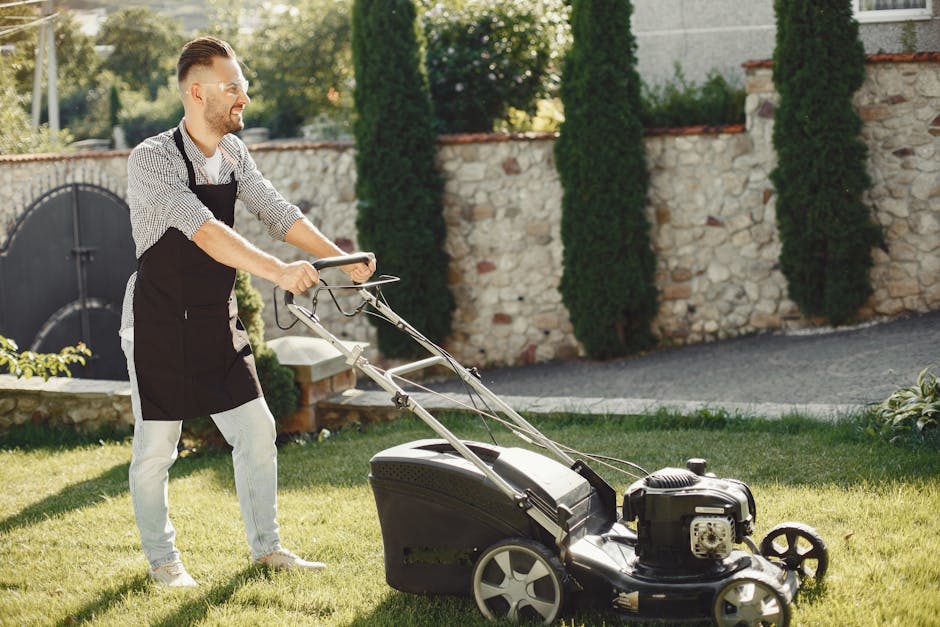
Pinner Road Hatch End garden maintenance guide for homeowners
If you own a home near Pinner Road in Hatch End, garden maintenance has a way of sneaking up on you. One week the borders look tidy, the next the lawn is patchy, the hedge is leaning a bit, and the whole space feels harder to manage than it should. This Pinner Road Hatch End garden maintenance guide for homeowners is here to make things clearer. It explains what regular garden care involves, why it matters in this part of London, and how to keep your outdoor space healthy, attractive, and easier to live with all year round.
Whether you have a neat front garden, a long rear lawn, or a mixed space with shrubs, paving, and mature planting, the basics are the same: keep growth under control, protect plant health, reduce clutter, and stay ahead of seasonal jobs before they snowball. Sounds simple. In reality, it takes a bit of rhythm, and a little local know-how helps too.
This guide covers the practical side of maintenance, the common mistakes homeowners make, and the best way to decide what to handle yourself and what to leave to experienced help. By the end, you should have a much clearer picture of what your garden needs, when it needs it, and how to keep it looking cared for without spending every weekend at it.
Why Pinner Road Hatch End garden maintenance guide for homeowners Matters
A garden is not just decoration. For most homeowners, it is part of the property's first impression, its daily usability, and, frankly, how much work the place feels like. In Hatch End, where homes often have visible front plots, established hedging, and gardens that can quickly become overgrown if left alone, regular maintenance makes a noticeable difference.
There is also the local context. Tree cover, shaded boundaries, narrow access, and changing weather patterns can all affect how a garden behaves. A lawn that looked fine in spring can become compacted or mossy by late summer. Shrubs that were harmless in March can block paths by July. A little routine care avoids that slow slide into "we should really sort this out."
Good maintenance also helps with safety and usability. Slippery paving, unstable branches, hidden trip hazards, and blocked access routes are common issues that creep in quietly. You do not always notice them day to day, especially when the garden is part of your everyday backdrop. Then one rainy afternoon you do, and it's a bit annoying, to be honest.
There is a practical money angle too. A consistently maintained garden usually costs less to bring back under control than one that has been neglected for months. That does not mean every garden needs constant attention. It does mean that small, regular jobs often save bigger, more disruptive work later on.
How Pinner Road Hatch End garden maintenance guide for homeowners Works
Garden maintenance is really a cycle of observation, small interventions, and seasonal adjustments. You look at what is growing, what is declining, what is cluttering the space, and what needs a bit of structure. Then you act before the problem becomes obvious to everyone else.
For homeowners, a sensible maintenance routine usually includes:
- grass cutting and edge trimming
- hedge shaping and boundary control
- weeding beds, paths, and borders
- pruning shrubs, climbers, and small trees
- clearing fallen leaves and green waste
- checking drainage, mulch, and soil condition
- keeping patios, steps, and access ways clean
The exact mix depends on the size of your garden, the planting, and how much time you want to spend on it. A small front garden with a simple lawn and hedge is a very different proposition from a mature rear garden with mixed planting and several different surfaces. Truth be told, most gardens need a bit of everything.
A practical approach is to split tasks into three layers. First, the weekly or fortnightly jobs that keep things tidy. Second, the seasonal tasks that protect plant health and structure. Third, the occasional heavier work such as clearance, reshaping, or restoring an overgrown area. That way, the whole thing stays manageable instead of turning into a once-a-year rescue mission.
Key Benefits and Practical Advantages
Well-kept gardens are not only nicer to look at. They are easier to use, safer to walk through, and more resilient through the seasons. That is especially useful on residential streets where presentation and practicality tend to matter side by side.
Here are the main benefits homeowners usually notice:
- Better kerb appeal: a neat garden makes the whole home feel more cared for.
- Healthier plants: regular pruning, feeding, and weeding reduces stress on shrubs and borders.
- Less reactive spending: small jobs are easier and cheaper than major remedial work.
- Safer access: paths, steps, and entrances stay clearer and less slippery.
- More usable space: patios, lawns, and seating areas feel inviting rather than cramped.
- Reduced neighbour friction: boundary growth and overhanging branches are less likely to become a problem.
There is also a quiet quality-of-life benefit. A garden that is under control feels calmer. You can sit out with a tea in the morning, open the back door without seeing a tangle of weeds, and simply enjoy the space. It sounds small, but it matters. Especially on a busy week.
Expert summary: The best garden maintenance plans are not the most complicated ones. They are the ones you can repeat consistently, season after season, without the garden getting away from you.
Who This Is For and When It Makes Sense
This guide is for homeowners who want a realistic approach to garden care, not a perfect-showgarden fantasy. If you live on or near Pinner Road in Hatch End and your garden is starting to feel like a job instead of a space, this is probably for you.
It makes sense if you are:
- maintaining a front garden that faces the road and needs to stay presentable
- trying to keep a rear garden tidy without spending every weekend on it
- dealing with hedges, shrubs, or trees that need regular attention
- coming back after a period of neglect and need a sensible plan
- preparing to sell, let, or simply improve your home's presentation
It also helps if you are not sure when to do what. A lot of homeowners know they need to mow the lawn or cut back growth, but are less clear on timing. Should that shrub be pruned now or later? Is the moss a problem? Do I need clearance or just tidying? These are the kinds of decisions where a structured approach saves time.
If you are comparing professional help, it is worth looking at the broader range of garden services available, because not every garden issue is really a "mow and tidy" issue. Sometimes it is a clearance job. Sometimes it is hedge reduction. Sometimes it is a bit of everything and then some.
Step-by-Step Guidance
Here is a straightforward way to approach garden maintenance without making it more complicated than it needs to be.
1. Walk the garden properly
Start with a slow visual check. Look at the lawn, borders, hedges, paths, fences, seating areas, and any areas where water tends to sit. You are not looking for perfection. You are looking for what has changed since last time. That is the key.
2. Separate routine jobs from bigger work
Routine jobs are the easy wins: mowing, weeding, deadheading, light trimming, sweeping, and litter removal. Bigger work includes overgrown hedges, root-bound planting, heavy leaf fall, or green waste build-up. Write them down if needed. It helps more than people think.
3. Prioritise safety and access first
Clear the things that affect movement or visibility. Overhanging branches, slippery paths, broken edging, and blocked entrances should be addressed before cosmetic work. A tidy border looks good, but not if you nearly twist an ankle getting to it.
4. Tackle the lawn and edges
Lawn care usually gives the fastest visual improvement. Mow when the grass is actively growing, but avoid scalping it too short, especially in dry spells. Trim the edges too. A crisp edge can make an average lawn look much better. It really does.
5. Cut back hedges and shrubs carefully
Hedge trimming keeps boundaries neat and stops shrubs from swallowing paths or windows. Light regular trimming is usually better than waiting for a huge cut-back. If the hedge is mature or tall, it may be better handled as a planned maintenance job rather than an improvised weekend effort. For that kind of work, many homeowners also review hedge trimming options before deciding how far to go.
6. Weed before it spreads
Weeds are easier when small. That sounds obvious, but it is one of the biggest lessons in garden care. Pull or hoe them before they flower and seed. Around patios and pathways, check the joins and cracks. They always seem to find a way back, don't they?
7. Refresh borders and mulch if needed
If the soil looks tired, dry, or exposed, a fresh mulch layer can help retain moisture and improve appearance. Keep mulch away from stems and trunks. That small detail matters. It prevents problems later.
8. Remove waste and reset the space
Once the main work is done, clear green waste, sweep hard surfaces, and step back. The reset phase is underrated. It lets you see what still needs attention and what can wait until the next round.
Expert Tips for Better Results
A lot of good garden maintenance comes down to timing and restraint. The trick is not always to do more. Sometimes it is to do the right thing at the right moment.
- Work with the season, not against it. Spring growth needs a different approach from autumn clearance.
- Cut little and often. This is especially true for grass and hedges.
- Do not ignore drainage. If water sits in the same place after rain, that issue will keep coming back.
- Keep tools sharp and clean. It makes cutting easier and helps reduce damage to plants.
- Watch the light. Shady corners often need more moss control, while sunny spots may dry out faster than you expect.
- Use the "ten-minute rule". If a task can be done quickly, do it now rather than leaving it for later. Later has a funny way of becoming next month.
One small but useful habit is to photograph the garden after a tidy-up. Then compare it a few weeks later. You will spot patterns: one hedge always sags, one bed always gets weedy, one corner keeps collecting debris. That makes future maintenance easier and smarter.
If you are aiming for a more polished look, practical landscaping changes can also make maintenance simpler over time. For example, reworking a difficult border or adjusting surface layout can reduce future work. If that is on your mind, a look at landscape gardening support may help you think beyond short-term tidying.
Common Mistakes to Avoid
Most garden problems are not caused by one dramatic mistake. They are caused by a dozen small delays. Very normal, very human, and a bit annoying to reverse.
- Letting growth run too long: big catch-up cuts can stress plants and create more waste.
- Over-pruning in the wrong season: not every plant likes the same treatment, and some do not forgive rough timing.
- Ignoring the lawn edges: messy edges make the whole garden look unfinished.
- Using blunt tools: rough cuts can leave plants looking ragged and unhealthy.
- Waiting for "the right weekend": small jobs pile up quietly until they turn into a larger task.
- Forgetting waste removal: green waste left in corners can attract pests and make the garden feel untidy even after the main job is done.
Another common issue is treating every garden as if it needs the same maintenance pattern. It does not. A shady garden in Hatch End may need more moss and leaf control. A sunnier one may need more watering and lawn care. A boundary-heavy garden may need hedge control more often than expected. The garden tells you what it needs, if you pay attention.
Tools, Resources and Recommendations
You do not need a shed full of specialist kit to keep a home garden in good shape, but the right tools make the work faster and cleaner. If you only buy or maintain a few items, make them the ones that actually reduce effort.
| Tool or resource | Best for | Why it helps |
|---|---|---|
| Hand shears | Light hedge and shrub shaping | Good for detail work and smaller areas where control matters |
| Lawn mower | Routine grass maintenance | Keeps growth even and the garden looking orderly |
| Pruning secateurs | Small stems and dead growth | Useful for precise cuts and regular tidying |
| Spade or border fork | Weed removal and soil work | Helps loosen compacted soil and manage borders |
| Rake and broom | Leaf clearance and surface cleaning | Simple, reliable, and ideal after wet weather |
| Green waste bags or collection system | Debris removal | Prevents piles of cuttings from lingering in the garden |
If you prefer to outsource the work, look for a maintenance plan that matches your actual needs rather than just a generic visit. A tidy front garden may only need periodic mowing and weeding, while a larger rear garden may need more involved seasonal care. For homeowners who want both routine and one-off support, the garden maintenance service is often the most practical starting point.
It is also worth thinking about how waste is handled. Responsible disposal and recycling matter, especially when there is a lot of green waste. If sustainability is part of your decision, take a look at recycling and sustainability to understand how garden waste can be managed more thoughtfully.
Law, Compliance, Standards, or Best Practice
For most homeowners, garden maintenance is not heavily regulated, but there are still sensible standards and neighbourly expectations to keep in mind. This is especially true in built-up residential areas where hedges, trees, and access routes can affect more than one property.
A few points are worth bearing in mind:
- Boundary growth: branches or hedges should not create avoidable problems for neighbours, footpaths, driveways, or visibility.
- Tree work: larger trees or substantial pruning can carry practical and safety implications, so heavier work should be assessed carefully.
- Waste handling: garden waste should be disposed of responsibly rather than left piled up or burned without checking local expectations.
- Safety practice: ladders, cutting tools, and powered equipment should be used with care and proper protection.
It is also sensible to check household insurance and site safety expectations if work involves height, difficult access, or larger items like mature limbs. The exact responsibility will vary by property and circumstances, so a cautious approach is best. The boring answer is usually the safest one.
If you are hiring help, ask about insurance, public liability cover, and general safety practice. The relevant information is often set out in the provider's own policy pages, such as health and safety policy and insurance and safety. That gives you a better sense of how work is approached on site.
Options, Methods, or Comparison Table
Homeowners usually choose between doing the work themselves, booking occasional help, or arranging regular maintenance. Each option suits a different sort of garden and a different amount of free time.
| Approach | Best for | Pros | Trade-offs |
|---|---|---|---|
| DIY maintenance | Small to medium gardens with light upkeep | Lower direct cost, flexible timing, hands-on control | Takes time, needs equipment, and can become inconsistent |
| Occasional professional help | Seasonal clear-ups or heavier jobs | Useful for backlog work, better finish on difficult tasks | Less continuity if the garden needs regular attention |
| Scheduled maintenance plan | Busy households or larger gardens | More consistent results, less stress, easier planning | Ongoing commitment and less personal control over timing |
If your garden stays manageable with a little weekend effort, DIY may be enough. If you keep falling behind, or if the garden has a few awkward areas that always seem to cause trouble, regular help may be the better value. There is no prize for doing it the hard way, after all.
For properties with stubborn overgrowth, a one-off clearance can be the right reset point before returning to routine care. In those cases, garden clearance can be a useful first step before normal maintenance begins again.
Case Study or Real-World Example
Here is a typical example from the kind of garden many homeowners in Hatch End recognise. A rear garden with a lawn, a mixed shrub border, one overgrown hedge line, and a patio that had started to collect debris after wet weather. Nothing extreme. Just enough for the space to feel a bit tired.
The first job was simple: clear the patio, remove fallen material, and cut the grass back to a sensible height. That alone made the space feel more open. Next came the hedge, which had started to lean over the path and made the garden feel narrower than it was. Once trimmed, the whole boundary looked cleaner and less oppressive.
The border work was slower. A few weeds had taken hold, and the soil needed a light refresh. After that, the garden did not suddenly become "finished" in a magazine sense. It did, however, become pleasant again. That is often the real goal. A space you can use without apologising for it in your own head.
A small detail made the biggest difference: the edges between lawn and border were sharpened up. Not glamorous, but effective. It gave the garden a proper frame, and everything else looked better because of it.
This kind of result is common when maintenance is done in the right order. Tidy first, then shape, then improve. Reverse the order and you often waste effort.
Practical Checklist
Use this checklist to keep your garden on track through the year. You do not need to do everything in one go. That is rarely realistic anyway.
- Check lawn condition and mow if needed
- Trim edges for a cleaner finish
- Remove weeds from beds, paving, and paths
- Inspect hedges and shrubs for overgrowth
- Prune dead, damaged, or crossing growth where appropriate
- Clear fallen leaves, twigs, and general debris
- Look for drainage problems after rain
- Check for slipping hazards on paths and steps
- Top up mulch where soil is exposed
- Remove green waste so the garden feels reset
- Review whether any jobs are now beyond DIY
Quick seasonal reminder: after a wet spell, check hard surfaces and drainage first; after a dry spell, check lawn stress, borders, and watering needs. The garden always tells on the weather.
Conclusion
A good garden does not happen by accident. It comes from small, steady maintenance that keeps growth, clutter, and seasonal change under control. For homeowners near Pinner Road in Hatch End, that usually means staying ahead of grass, hedges, weeds, borders, and general tidying before they become a bigger job than expected.
The aim is not perfection. It is balance. A space that looks cared for, feels easy to use, and does not demand more time than you want to give it. That is the sweet spot. If you get that right, the garden stops feeling like a chore and starts feeling like part of the home again.
If you are ready to take the next step, whether that is a one-off tidy-up or a more structured plan, it helps to compare your needs against the available options and choose the approach that fits your routine. A little clarity now saves a lot of faff later.
Get a free quote today and see how much you can save.
Frequently Asked Questions
How often should homeowners maintain a garden in Hatch End?
That depends on the size of the garden and how fast it grows, but most homes benefit from light attention every one to two weeks during the growing season. Lawns, weeds, and fast-growing hedges usually need the most regular care.
What is included in a typical garden maintenance visit?
Most maintenance visits include mowing, edging, weeding, hedge trimming, pruning, leaf clearance, and general tidying. Some gardens also need waste removal, border work, or light restoration. The exact scope depends on the condition of the space.
Is garden maintenance worth paying for if I can do some of it myself?
Yes, often it is. Many homeowners handle the easier jobs themselves and bring in help for the bigger or more awkward tasks. That can be a sensible mix, especially if you want the garden to stay under control without spending every spare hour on it.
What time of year is best for hedge trimming?
The best time depends on the hedge type and its growth pattern. In general, light trimming during active growth and more careful shaping at suitable seasonal points works better than leaving it to become overgrown. If in doubt, avoid major cuts during very cold or very hot spells.
How do I know if my garden needs clearance rather than regular maintenance?
If the garden has been left for months, with heavy weed growth, thick debris, or areas you can barely access, it probably needs clearance first. Regular maintenance is for keeping things tidy; clearance is for resetting a garden that has gotten away from you.
Can garden maintenance improve property appearance?
Absolutely. A neat front garden and tidy boundary can make a home feel more cared for straight away. Even small improvements like edging, hedge shaping, and clean paths can change the first impression quite a lot.
What should I ask before hiring a gardener?
Ask what is included, how waste is handled, whether they carry appropriate insurance, and how they approach safety. It also helps to ask whether the work is a one-off job or part of an ongoing plan. Clear answers usually save headaches later.
Do I need special equipment for basic garden care?
Not usually. A mower, secateurs, shears, rake, and a way to remove green waste will cover many basic tasks. If the garden has mature hedges, tall trees, or more complicated planting, more specialist tools or professional help may be needed.
How can I keep a garden tidy with limited time?
Focus on the visible, high-impact jobs first: mowing, edging, weeding, and clearing paths. Then do one deeper task each visit. That approach keeps the garden presentable without asking for a full-day effort every time.
Is it okay to prune shrubs whenever I notice they look messy?
Not always. Some shrubs cope well with light shaping, while others need pruning at specific times to avoid damage or lost flowering. If you are unsure, do a little research first or keep to minor tidying until the right season.
What is the best way to manage garden waste?
The best approach is to collect and remove it regularly rather than letting it build up. Green waste can be bagged, composted where suitable, or handled through an organised disposal method. Keeping it out of the garden makes the whole space feel cleaner much faster.
Can maintenance help with drainage or damp patches?
It can help indirectly. Clearing debris, improving surface cleanliness, and keeping planting under control may reduce water traps. But if you have persistent damp or pooling, it may point to a deeper drainage issue that needs a more specific fix.